Ackowledgements

I would like to thank the Benjamin A. Gilman International Scholarship foundation for providing me the required funds to be able to go on such an educational and fulfilling journey studying abroad in Osaka, Japan. Without them, I wouldn’t have ever been able to have such a memorable experience over summer. For any students wanting to study abroad, whether you be a linguistics major, psychology major, or even STEM major, I urge you to go pursue that dream. I never would have imagined travelling to another country to study, especially as a computer engineer, and even more so being a dirt-poor computer engineer.

I found out, however, that there are many resources everywhere where you can get help from in getting funding for your study abroad experience, the Benjamin A. Gilman International Scholarship being one of them. Their website, https://gilmanapplication.iie.org, has all the information needed to help you prepare for your next study abroad experience!

If you have any questions about this, please send me an email at tang.michaely@gmail.com!

Thank you for reading through my blog.

Week 5: Travelling

Now that the midterm week is over, I can relax a bit. This week’s topic will be “travelling”
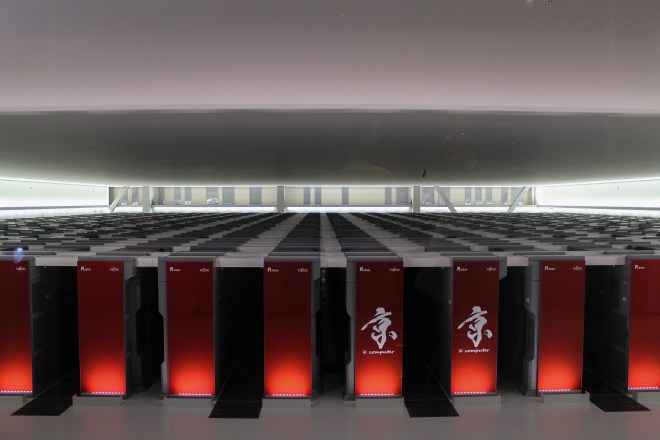
! I have surprisingly been able to travel to many places (especially on the weekends) so I will compile them all here. First off, I will talk about the school trip we had! We went to Kobe to sight-see something extremely cool — one of the world’s fastest computers, the K Computer! This bad boy is packed with more than 700,000 CPU cores and has a computational power of a bit over 600 TFlop/s! That’s very VERY VERY fast. The name comes from the Japanese character, 京 (けい), meaning 10 quadrillion. What’s cool about this computer is that it is used for many simulations, one of which, is the simulation of typhoons and earthquakes to help Japan prepare for upcoming natural disasters. It is also used in many medical applications. Researchers can borrow a small percentage of the computer’s power for their research and is done on a yearly basis to the most interesting project pitch. The kicker here is that whoever gets granted access will be able to use a portion of the K computer’s processing power for FREE. Truly remarkable.

IMG_8402_edited

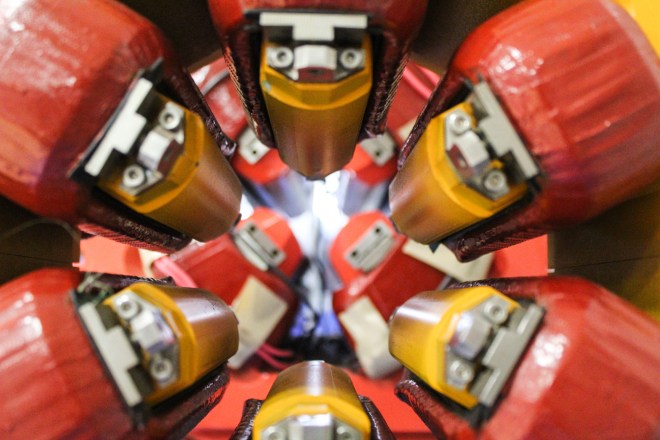
Besides the K computer, we also visited the nearby electron accelerator at Riken Laboratory. I couldn’t get a good picture of the accelerator because not only is it ginormous, it’s surrounded by tons of small research labs. However, I did get a picture of a small cutout of the inside of pipe in which the electron gets accelerated using magnets! The special thing about Riken Lab’s electron accelerator is that they initially accelerate it using a 2 km long tube that then shoots the electron into the circular accelerator that we see in movies.

IMG_8376_edited

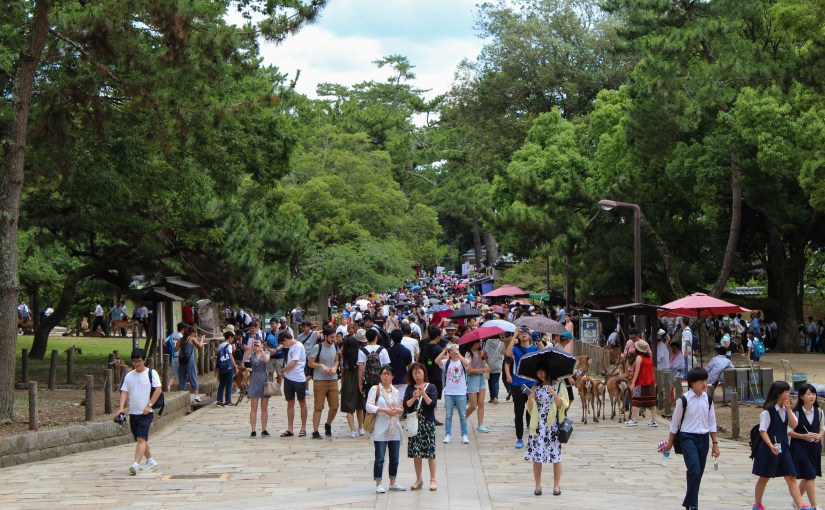
After seeing these, we went to Kobe’s downtown area and ate at a very delicious buffet and had some free time to walk around the mall and do touristy things.

IMG_8386_edited.jpg

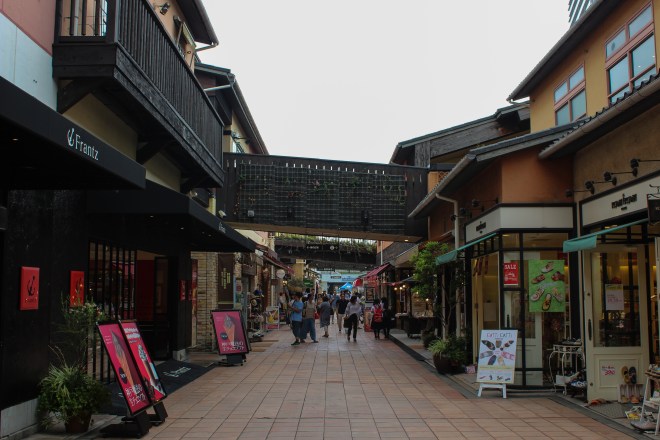
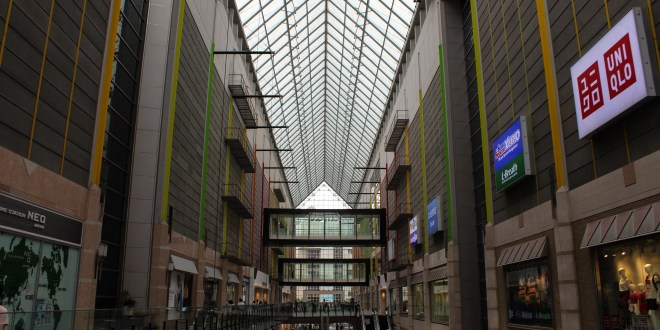
The mall consisted of two sides — one was more of a modern take on the traditional Japanese style open-street shopping street (top) and the other was a more typical kind of mall we see today (bottom).

IMG_8391_edited.jpgThere was a Toys-R-Us in this mall and it was interesting to see all the different kinds of toys they sold in there compared to the ones they sold in the U.S. I’m not too sure what is sold in our Toys-R-Us’ these days, but the popular toys in Japan’s Toys-R-Us seemed to be mostly Beyblades (Japanese dreidel-like toys) and mecha-related toys. There were, of course, many Lego things as well!

IMG_8381_edited.jpg

From the mall, we were able to get a very nice view of the Kobe bay. You can see the red Kobe Port Tower which, compared to Tokyo or Kyoto Tower, seems a bit small. Next to it is the Kobe Technology museum which I wasn’t able to get a chance to explore.

Now to travel back in time…!

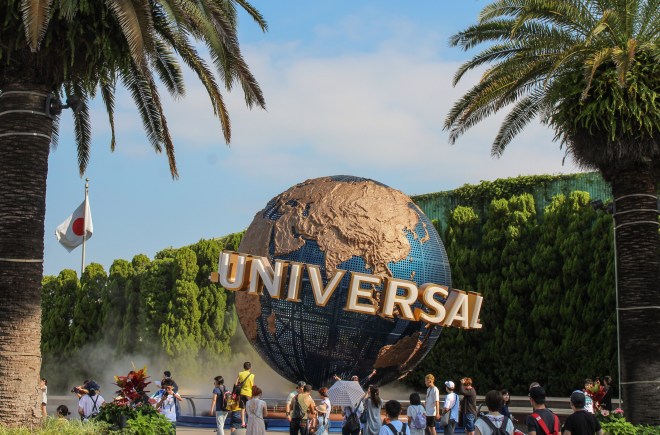
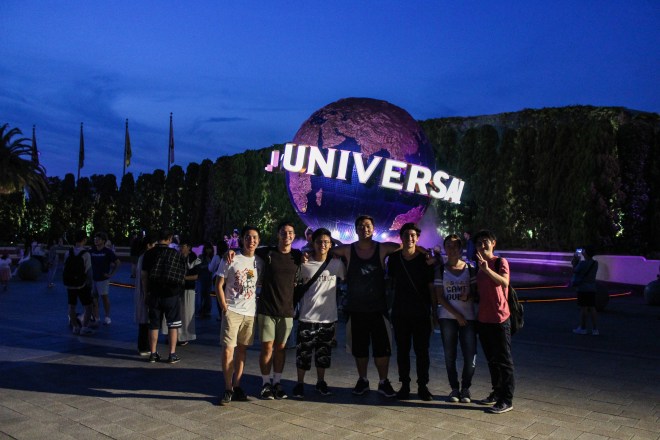
Earlier last week me and a couple of fellow UCEAP students met up together over the long weekend and went to Universal Studios Japan!

IMG_8438_editedIMG_8468IMG_8466_editedIMG_8462_editedIMG_8448

The following are old-old pictures of places I went to on previous weeks as well!

IMG_8321_edited

IMG_8303_edited

IMG_8278_edited

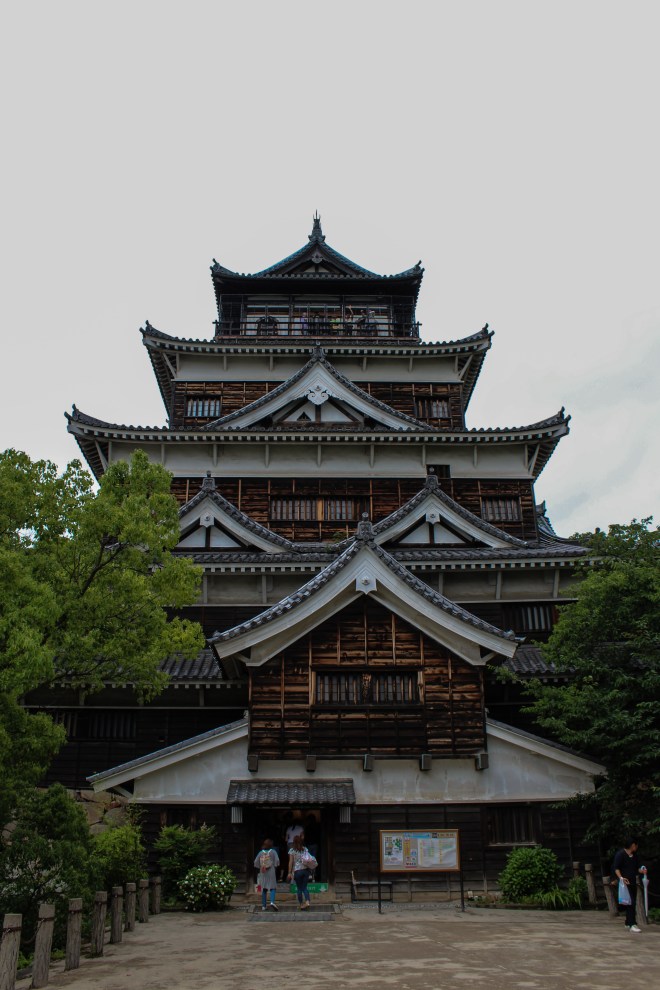
Hiroshima Castle! This was actually from my second week in Japan when I went to Hiroshima with my girlfriend.

Week 4: Lab Progress

Research update!

Next week will be my “midterm” review in which I have to make a small presentation about what I’ve done in front of my lab members, so I will use this as a way to compile my thoughts for me to use later.

As I stated in the first post, my research will be to use computer vision and a mechanical arm to detect, track, and interact with some object in our 3D world. Since it’s week 4 and I already have the thing almost done, my professor has told me about the second part of this project — to use what I have done to create a virtual game of chess. This includes displaying an augmented reality view of chess pieces on a chess board. A brief summary of what I need to do is written below.

Research Part 1:

  • Use Arduino Braccio robot arm and a USB mini webcam to find and track objects
  • Objects: blue ball, water bottle cap
  • Used libraries:
    • C++
    • OpenCV: Open source computer vision software

Research Part 2:

  • Incorporate detection of Augmented Reality markers
  • Use movement of arm to pick up objects
  • Project 3D Objects over ArUco markers
    • Use OpenGL to draw
  • Used libraries:
    • OpenGL: Open source graphics API
    • ArUco: a minimal library for Augmented Reality applications

The parts I am using for Part 1 of this project is an Arduino Uno microcontroller board, a Arduino Braccio mechanical arm, and a mini camera.

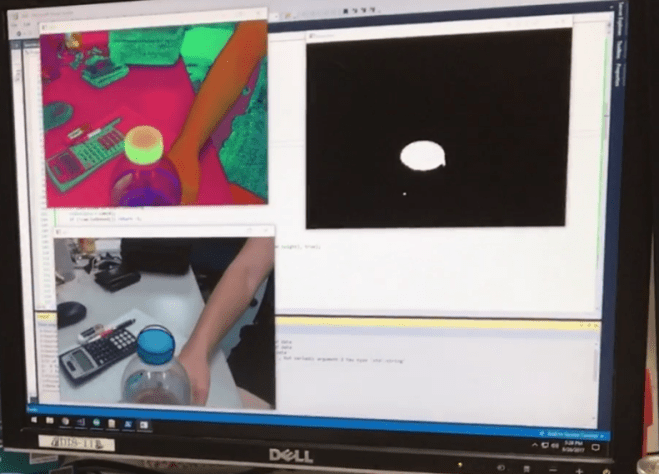
Using camera filtering techniques and OpenCV’s object detection functions, I first tried to use this setup to detect a blue colored bottle cap. I change the color spectrum of the image feed by converting the RGB feed to an HSV feed. HSV stands for Hue-Saturation-Value and is a representation of an image using only those three factors. This allows for easier manipulation of image data when it comes to image processing.  I then apply a threshold on the HSV values of the image, filtering out anything not related to the blue threshold I wanted, which in my case had about a hue threshold of 120 ~ 140, saturation threshold of 100 – 255, and a value threshold of about 100 – 255. The resulting image post-threshold is the one of the top right. You can see the bottle cap is now highlighted as a white circular object. Using OpenCV, I then find the largest detected contour and extract its enclosed circle in the image. The final image is the one on the bottom left.RGB_HSV_FILTER.PNG

Now that I got the basic functionality of detecting random objects down, I can proceed to figuring out how to program the arm to track the object. I needed a way to move the arm in real time, so I added a component to my program that would send packets of information through my computer’s serial port to the Braccio’s serial port. The packets had the following format where m1 is motor 1, m2 is motor 2, etc:

      • degrees_m1 + m1 + degrees_m2 + m2 + … + z

where the character ‘z’ represented the terminating character to let the Braccio know that is the end of the packet. The Braccio has 5 servos controlling different parts of the arm and are named the base, shoulder, elbow, wrist, and rotation of wrist. Using those names, I gave each of them a letter representation:

Motor

Char Value

Base

b

Shoulders

s

Elbow

e

Wrist

w

Wrist Rotation

v

So for example, if I wanted to rotate the base 180 degrees, bend the elbow 100 degrees, and open the wrist 90 degrees, I would send the packet, “180b100e90wz”.

The following video shows it all in action:

https://goo.gl/QcCGo6

This pretty much sums up what I have done within the last 4 weeks… Typing it out now makes it seem like it isn’t a lot of things, but it definitely felt like I did a lot. I came into this project without any knowledge of what OpenCV was. I have never even written a program in C++ before (but learning this part was relatively simple). Also, I have never programmed using a Arduino before, so there was definitely a large learning curve I needed to go through before getting to this point. I hope that I can keep up my progress and finish part 2 of the project! Wish me luck! がんばる!

Week 3: Food Update!

IMG_6082.JPG

It is now the end of the third week. Wow. That went by fast. Since talking about my lab is boring, I will dedicate this week’s post to all the delicious food I’ve eaten so far!

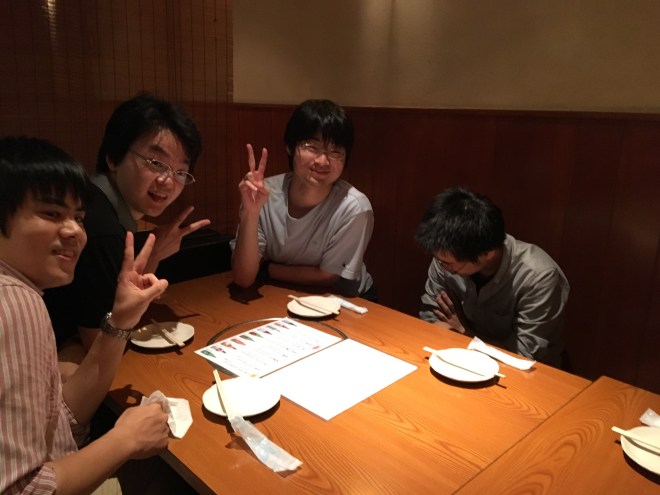
The picture on top is of a couple of my lab members. I’m still having a hard time remembering their names, but from the right to left, these guys are Mitsunari (my mentor), Yutaka, Shun, and Yoshikawa.

The food here is absolutely amazing. I’ve always enjoyed Japanese cuisine back in the states, but once I ate the food here — the authentic food here — there is no contest in how much more delicious it is here in Japan. Japanese cuisine, or rather 日本料理 (にほんりょうり), is filled with many familiar dishes we all know as well as some very interesting foods that few of us have seen before. For example, the picture below was taken at a grilled-chicken store (やきとりや)and is ground meat wrapped with friend chicken skin — a chicken-skin gyoza. This was one of the first dishes that I got to eat here where I was absolutely mind blown. The taste of the skin, despite being fried, was extremely juicy. The filling inside contrasted the oily skin with its light and sweet taste. Once you squeeze some lemon on top of it, a whole new world is opened for your tastebuds as the acidity of lemon enhances the salty sweetness of the whole chicken-skin wrapped gyoza. Truly delicious. This dish was eating at a somewhat nearby restaurant by the school called 六, which literally translates to “six”. Below that are some chicken skewers eaten at the same place. I don’t really remember which is which part of the chicken, but trust me when I say Japanese yakitori servers many, many different parts of chicken. I have eaten skewers ranging from chicken skin, to chicken bone, to chicken butt, to heart and liver. All of them are amazing and should be tried once before you die.

IMG_6084 (Edited)

IMG_6083 (Edited)

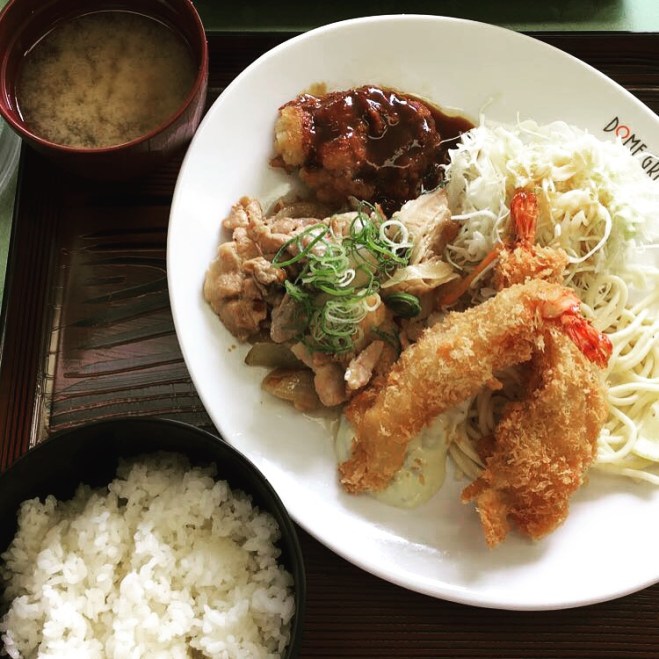
Cafeteria food. Oh my god. Cafeteria food. Coming from UCSC, the cafeteria food is notorious for its horrible, inaccurate imitation of any type of cuisine. Ever. Needless to say, my school’s food is horrible. We get to enjoy things like canned-sauce pasta, overcooked/undercooked rice, “sushi” (rice wrapped with green onions, I’m not kidding), Pho made with lukewarm broth. Besides our crappy cafeteria food, the other cafes we have are overpriced or just unhealthy. Osaka University, on the other hand, has the most balanced, delicious, and affordable food I have ever seen while also having a big variety of cuisines. So far I have eaten at 4 different places for lunch and each of them are amazing (including the 7-11). Most meals you eat in the school cafeteria comes with soup and rice and some sort of entree. The bigger cafeterias have a grab-and-go style set-up where they have a bunch of dishes made already and you grab whatever you want and pay. Besides this, there is always a place to get a bunch of small appetizer dishes, like potato salad, grilled fish, meatballs, yam, etc. And this isn’t even the best part. Depending on how hungry you are, your lunch meal will usually come out to be roughly $5-7 dollars USD. The picture below was roughly 5 bucks. That’s it. I got a large bowl of rice, miso soup, shrimp tempera, chicken teriyaki, and some pork katsu. For just 5 dollars!
IMG_6085

The dish below is a roast beef dish over rice with this demi-glace sauce poured over it. Oh, it also had a soft boiled egg on top as well. The total of this dish with the soup was $5.50 USD. I’m actually in heaven.

img_60881.jpg

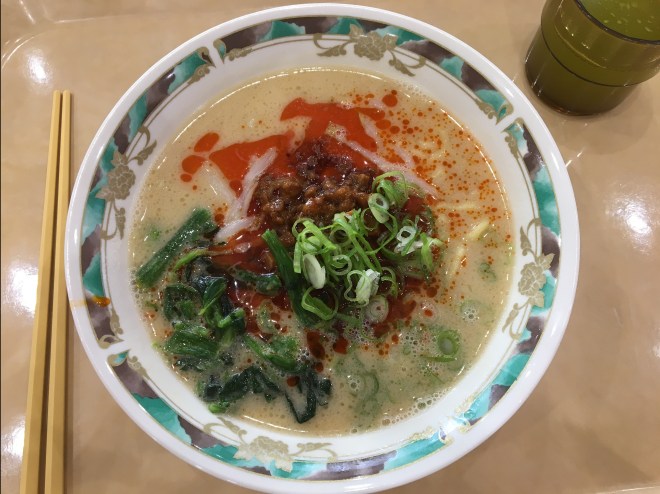
These are also food that aren’t necessarily Japanese. The roast beef dish is considered American, and the noodle dish below is of Chinese origin. The dan-dan mien was also delicious. It consisted of Japanese ramen sitting in HOT broth (no way!) with some sort of spicy, numbing meat sauce and chili oil placed on top, garnished with green onions and leek. おいしかったです。
img_6074.jpg

I’ve also got to do some traveling this weekend and went to a nearby city, Nara! This place is known for the bowing deer and their giant park filled with shrines and temples. I will probably save this for my week 4 post. But, we went to a cafe to rest (it is VERY hot right now) and we ordered some coffee and some sort of mixed fruit juice. The store was very chic and was decorated like a stereotypical European cafe. What was cool about this place (aside from everything) was that they grew their own spice-plants outside. That’s where the mint on top of the juice came from! The coffee was super delicious and came with a Nilla-like cracker. かわいい!

IMG_6091.JPG

Below are some other foods I got to try!
IMG_6053.JPG

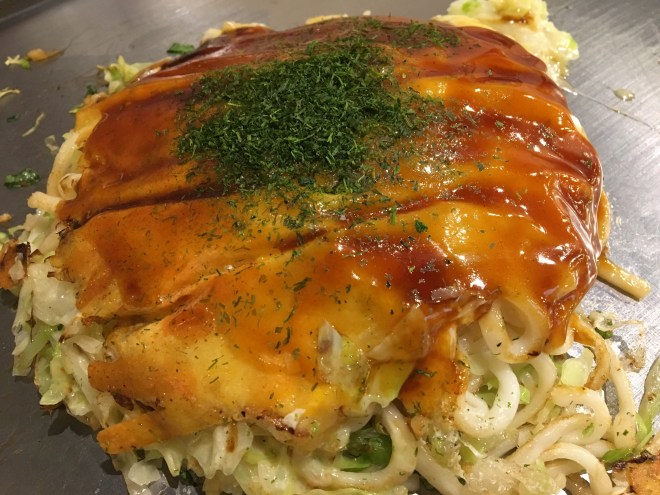
Hiroshima style Okonomiyaki! This is a Japanese-style pancake filled with udon, cabbage, a meat (this one is seafood), an egg on top and drizzled with okonomiyaki sauce. The usual style most okonomiyaki restaurants (especially those in the states) make are Osaka-style ones. The main differences is that Hiroshima style okonomiyaki usually layers their ingredients, which you can kind of see in the picture above. Osaka style okonomiyaki usually mixes their ingredients together and cook it (except for the egg). IMG_6101.JPG

Taiyaki! Grilled-fish-designed-sandwich-thing with red bean paste in the middle! One of the most traditional Japanese desserts/snacks that you can find pretty much anywhere along the streets of the city. They are also very popular to eat during festivals and such. Crispy on the outside, but soft and moist on the inside. Sooooooo good. Probably one of my favorite Japanese snacks.
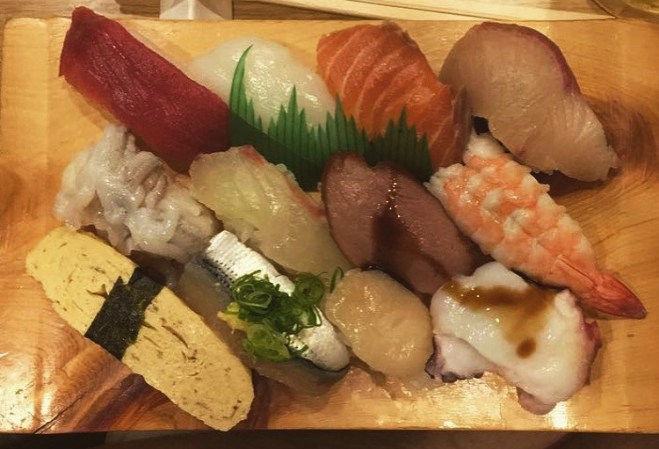
img_6102.jpg

Of course, sushi. The fish in this picture look kinda of dark and may make you think that they were not fresh, but let me assure you that the fish was definitely fresh and that it was the lighting’s fault!
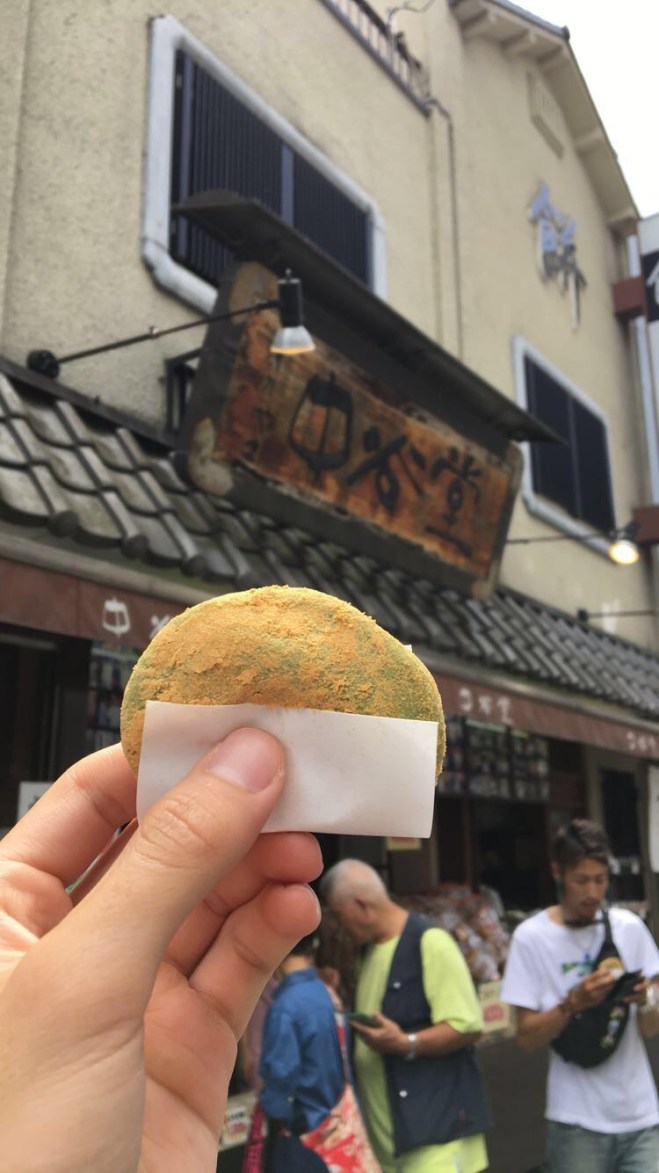
IMG_6098.JPG

Some delicious mochi. The outside is powdered with mung bean powder. Is it mung bean powder? I’m not sure, but I’m certain it’s a type of bean’s powder. This was eaten at Nara and was definitely worth the 15 minutes we had to wait for it! This place is very popular so make sure you try it whenever you go.

Goal: Get fat in Japan –> in progress.

Week 2: Dorm and Lab Life

Let’s take this week to talk about how the dorms are here in Japan, as well as my lab!

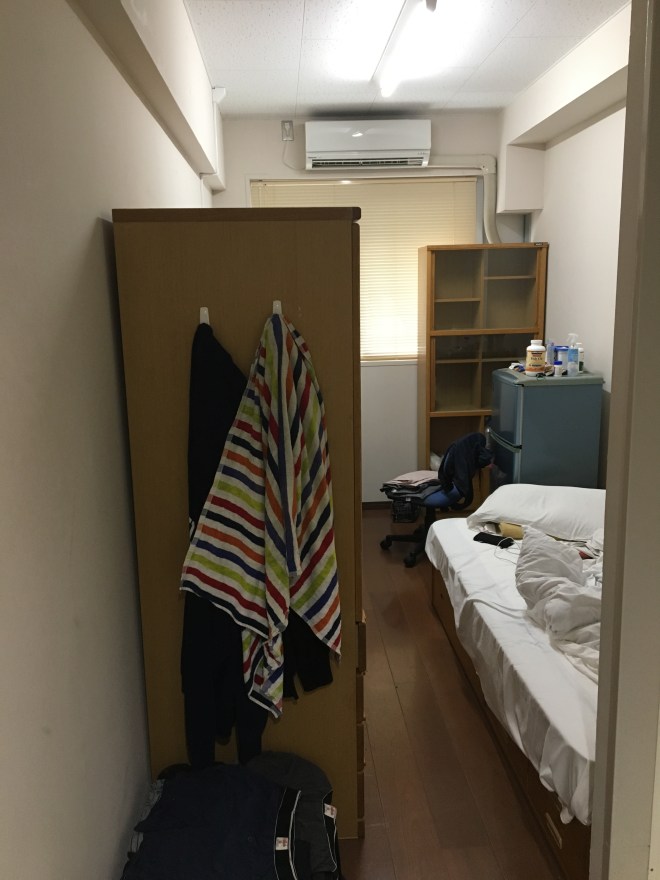
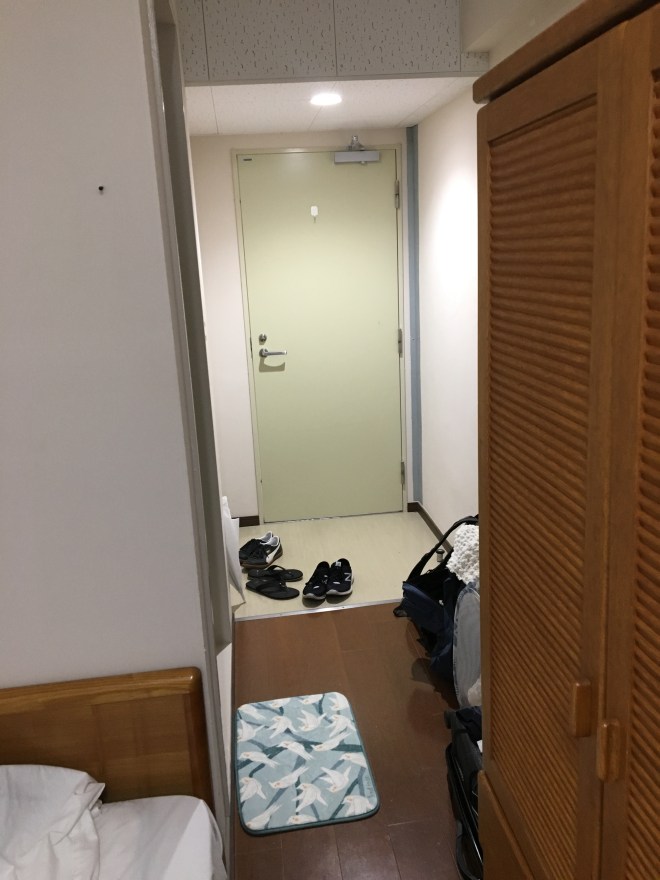
First off, the dorms. They’re pretty small in comparison to the ones at my school (UCSC), however they each have their own little shower room, which is really nice. Opening the door, you can see a bed on one side with a large dress on the other. The shower room is right at the entrance of the door, which you will be able to see later.

IMG_6115

Walking in further you can see my desk, a mini fridge, and a book case. Overall, its a nice and cozy place. Each room also has a personal air conditioner and router so all the necessary things are there, minus an actual toilet. The toilets are in a shared bathroom and is super duper clean.

IMG_6116

IMG_6117

Looking back at the door from the inside, you can see the shower is right in front of where the floor mat is. The inside of the shower is extremely clean and even has shelf space for your shower things.

IMG_6118

Overall, the place is nice and clean, albeit a bit old. The overseer of the whole dorm is an extremely nice lady who greets you whenever she sees you. The overall feel of the place is very homey.

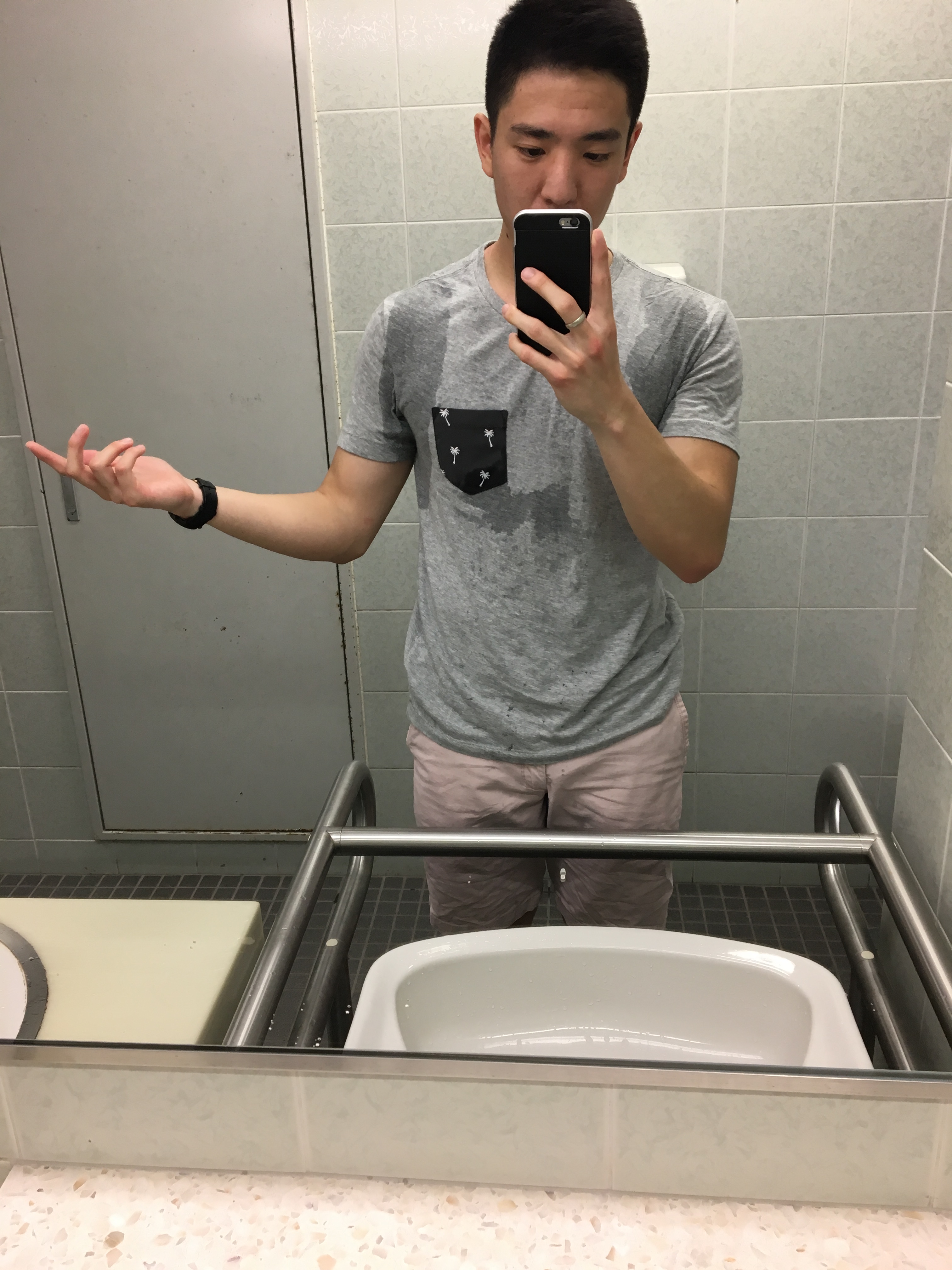
The biggest issues I have with this place is that it is way too far from the campus and how loud the cicadas are. The cicadas seem to sing 24/7 with this loud, constant buzzing noise which peaks in the mornings and evenings, causing me to wake up super early every morning. I really hope I can get used to this noise soon, but it may also be due to my jet lag that I am waking up so early everyday. Also, it takes $8-11 USD round trip if using public transportation, and still takes about 30 minutes to get to campus. What’s funny is that biking takes roughly the same amount of time, except it’s a lot of uphill. It’s free and a good exercise so I’m sticking with that as my mode of transport. I just have to bring an extra shirt to change into since I become a drenched mess whenever I arrive.

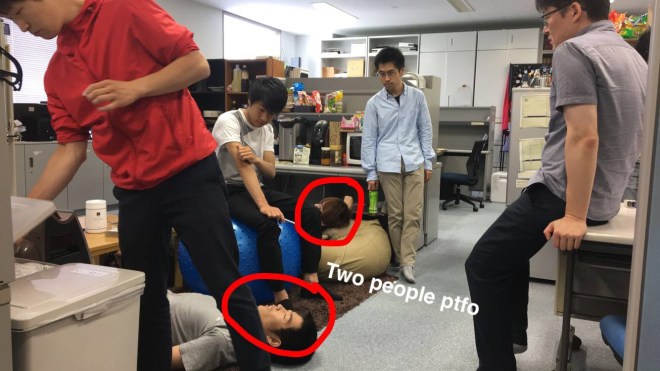
The lab is super chill. Everyone there is like one big happy family. It seems like the lab members spend a majority of their time in there and many resort to taking naps on the beanbag chairs (or on the ground in the picture below). There is even a futon in the back for people who want to stay over (due to missing the last train or pulling an all nighter). Like I said in the previous post, there is a large fridge filled with drinks and snacks, and they are all available to anyone for a very cheap price. I thought that the work environment here would be very stressful, but so far all the people I’ve met have been very laid back and sociable. My project itself has been coming along well, and I will post some videos below of what I have done so far.

IMG_6030.JPG

One thing I’ve noticed is that this school lacks a well-equipped gym. The only gym on this campus (Suita Campus) is this tiny, tiny corner inside the large gymnasium. The equipment is extremely worn out and many of the things are even broken. It’s quite sad since I enjoy lifting weights and it seems that it will be hard for me to do so during my stay here. I’ve heard that there are things called public gyms here where you pay a small fee to use, so maybe I will look into those.

(Insert gym video here)


Week 1: Arrival

IMG_6007.JPG

Week 1: Arrival

I arrived at Osaka Airport at noon and proceeded through customs and baggage claim worrying about whether or not I could find my way to the apartment I was going to stay at for the night. When going through customs I was asked the purpose of my stay in which I replied excitedly with ”留学する!” (りゅうがくする)、which meant “to study abroad”. With that, the customs officer smiled asked if I was studying at Osaka University ,“大阪大学で?”, to which I happily responded with yes, ”はい!”. Before starting this program I have just finished taking my first year of Japanese, and one of my biggest goals this time in Japan was to improve my Japanese, and of course, to go to Akihabara –one of Japan’s most famous electronics and anime district — as many times as I could.

I was supposed to meet with my girlfriend who was travelling down from Tokyo to meet me in about 2 hours, so I made sure to figure out the correct way to get to our meeting spot, which was Osaka’s main station. Relieved to find out the whole ride was going to take about an hour I proceeded to take my time and look at the scenery around me. The airport I landed in was Osaka’s Kansai Airport which was located on a man-made “island” off the coast of Osaka, and was quite a ways away from any large nearby city. That being said, I was surprised about how non-airport like the place seemed like. Right outside the airport, by the train station, there was a Hawaiian themed event going on where they were selling Hawaiian goods (Leis, music CDs, etc) and promoting Hula with some live shows and music. I knew about this from my girlfriend before coming, but it still surprised me how popular Hula was in Japan.

At the train station itself, there were students from Osaka University volunteering to help foreigners find their way to wherever they were planning on going to. Not knowing exactly how to purchase a ticket and get to Osaka’s main station, I proceeded to ask them for help. They were extremely helpful and before long I was on my ride to the station!

IMG_6003.JPG

The next day was orientation so after dropping off my girlfriend at the station to head back to Tokyo, I proceeded to head to campus. I left pretty early to head to Osaka University so I thought it would’ve been nice to walk as much as I could (rather than take a bus). This is where I messed up. Apparently Osaka University has three main campuses: Minoh, Toyonaka, and Suita. Sutia was the campus I needed to go to, but I somehow ended up at Minoh campus. Now I had two choices to make; walk back the way I came to the train station and take that to the other campus, or explore a bit and take a bus. Looking at my handy dandy Google maps app, I saw that if I walked a little bit I can catch a bus to the other campus.  I left early, so I still had time to take the bus to the other campus, or so I thought. Bad idea. Very bad idea. I ended up missing the bus and having to walk all the way to the other campus, up many, many hills (one of which is in the picture above).  Below is my end result AFTER I used the hand dryer to dry most of it.

IMG_6004.JPG

Aside from the small mishaps, the first week went by great. I was assigned to an all-guys dorm with 4 other students who were doing the same program as me so we went out together on the first night. We ate at a ramen restaurant called “Golden Dragon”. It was pretty good, but tasted really Chinese for some reason, like I was eating a bowl of Chinese beef noodle stew. Turns out the owners were actually from Taiwan and the restaurant was a popular ramen shop for Taiwanese tourists. (Insert Ramen video here)

IMG_6012.JPG

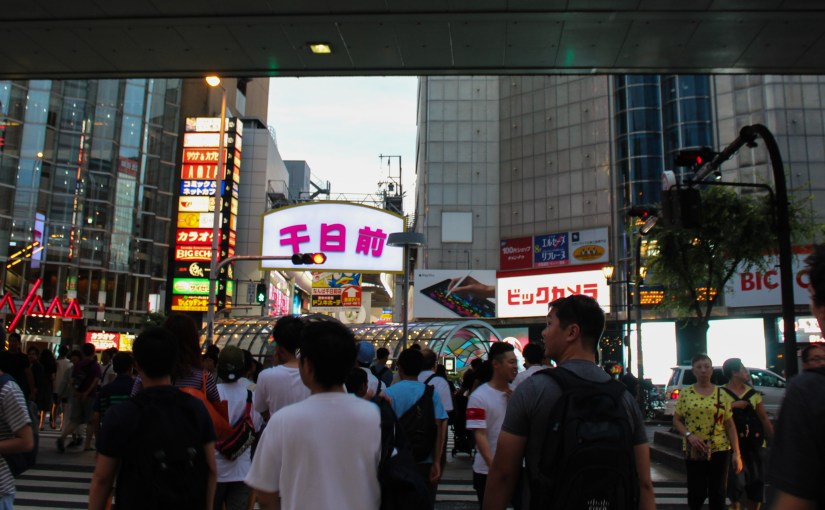
After that, we went and walked around Osaka’s famous Dotonbori Street and I got some takoyaki (grilled octopus balls). It was extremely delicious! Fun fact: Osaka style takoyaki and Tokyo style takoyaki are very different in texture. Tokyo style takoyaki tend to me more crispy on the outside and overall is chewier. Osaka styles takoyaki is generally more softer and mushier.

For the lab, I was assigned to Osaka University Graduate School of Information Science and Technology’s Computer Vision Lab supervised by Professor Hashimoto Masanori. Upon entering the lab on the first day I was greeted by the Assistant Professor, Professor Jaehoon Yu as well as my mentor for the duration of my research, Koichi Mitsunari. They gave me a short tour of the lab room, which was very clean and cozy, and showed me where my desk was. The room itself felt like a family room; there was a giant fridge stocked with drinks and ice cream, a couple TVs, a Wii-U and PS3, and a computer stocked with some very high-end hardware and Steam to “research” games with. The lab itself consisted of roughly 25 lab members and out of all of them there was only 1 single girl whom many of the lab members referred to as “お姉さん” or older sister.

The task I was given was to assemble and program an Arduino Braccio, which is a programmable mechanical arm, and have it user computer vision to pick up a cube marked with an AR marker. Besides this, I also needed to be able to project 3D chess pieces above these marked cubes in Augmented Reality, or AR. My first week’s goal was to simply get the arm moving and get all the required libraries and packages installed for computer vision work. I used a USB serial connection to communicated with the Arduno Braccio and Open CV to do most of the work.

(Enter videos here)

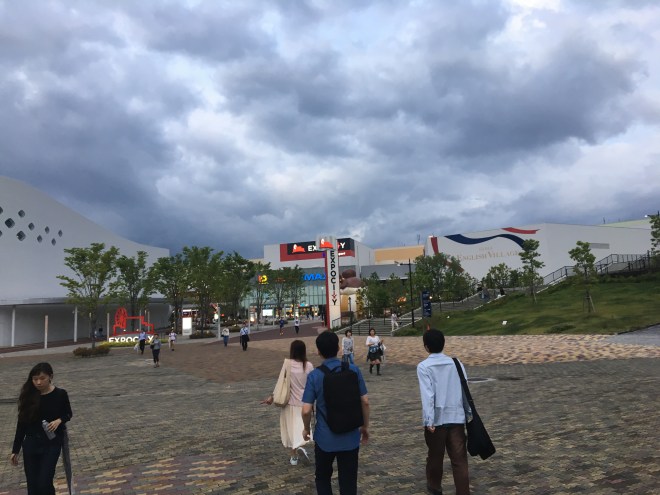
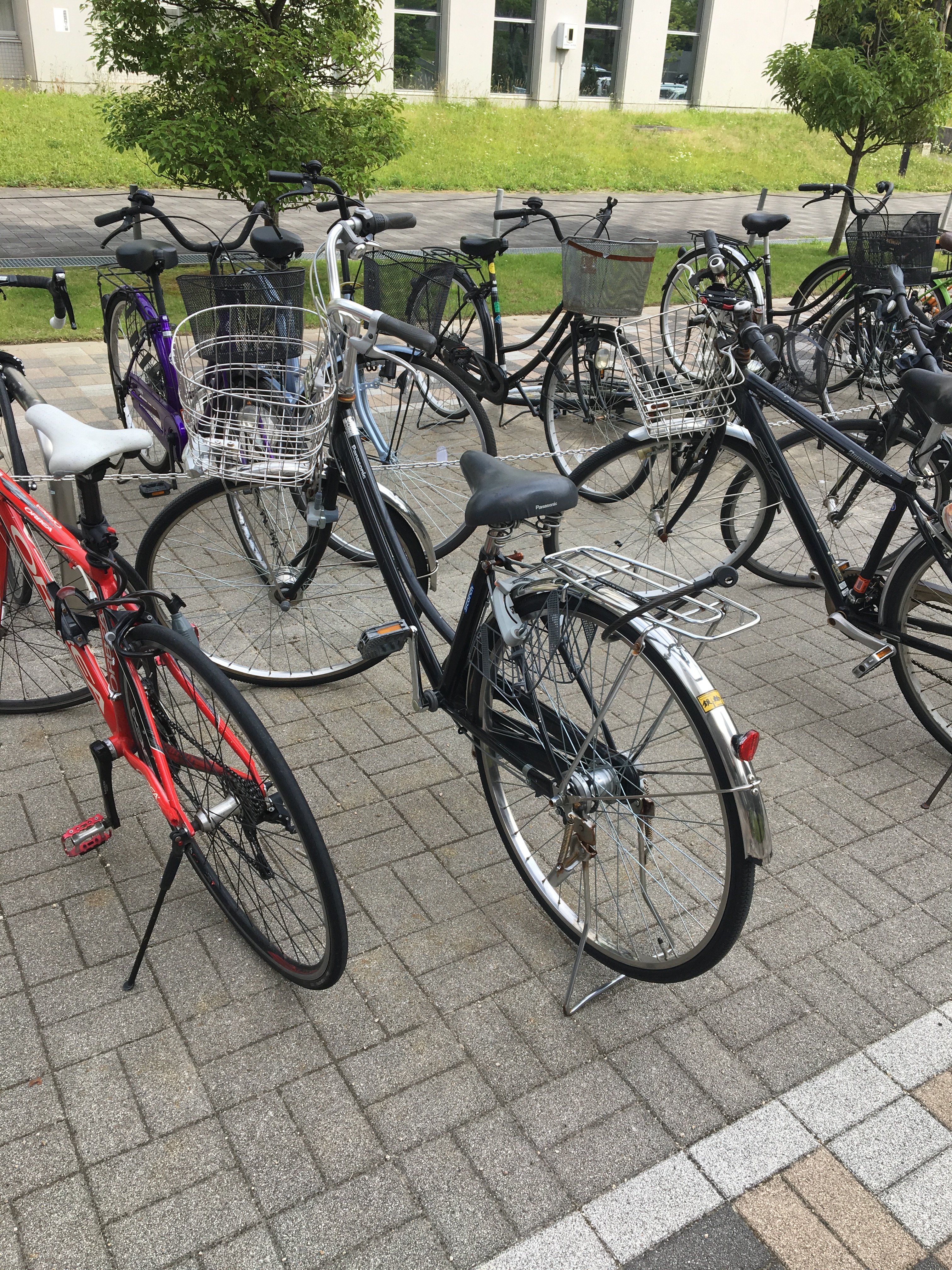
We also went out for dinner at a nearby mall and ate a really nice buffet there. This mall is called Expo City and was the location of the World Expo of 1970. It has a big movie theater and tons and tons of restaurants as well as various stores. I was also given a bike by a fellow lab colleague which allowed me to bike to school from my dorm and save $8 – 11 USD a day on public transportation (thank god).

IMG_6021.JPGIMG_6025.JPG

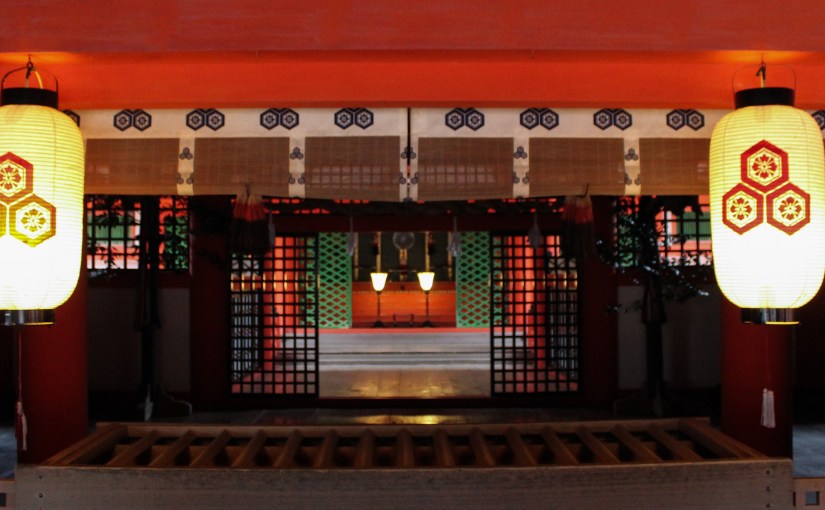
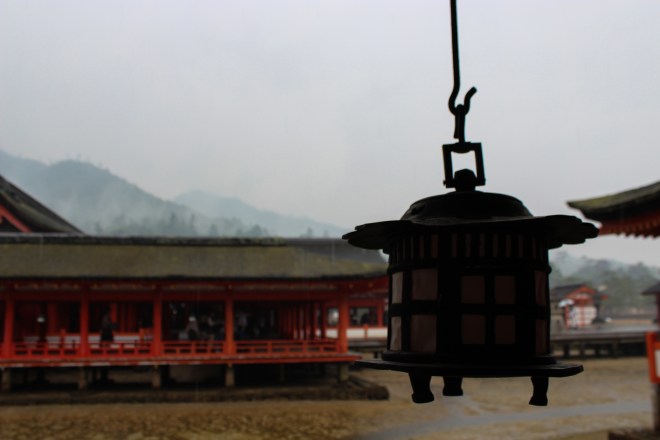
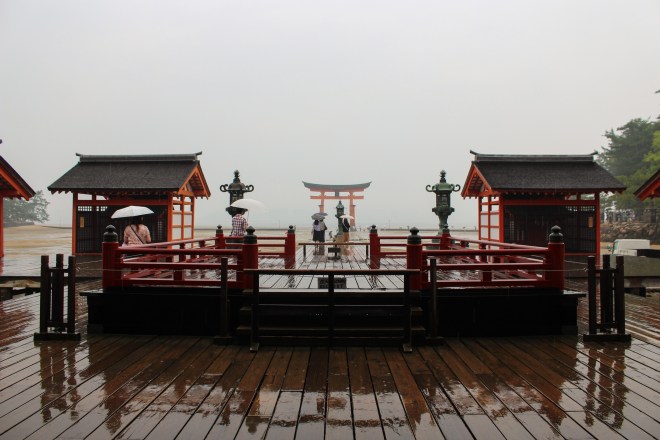
For the first weekend, my girlfriend came down again and we traveled to Hiroshima. I’ve always wanted to go there and see the famous Itsukushima Shrine, known for its “floating” torii gate. However, since it was summer, the water receded and the torii’s base was visible.

IMG_8258_edited.jpgIMG_8267_edited.jpgIMG_8251_edited.jpgI have a bunch of pictures of my whole trip in Japan which will be linked on the sidebar!